Soundscapes in Theatre: Crafting the Auditory Experience
Oliver Hayes ·
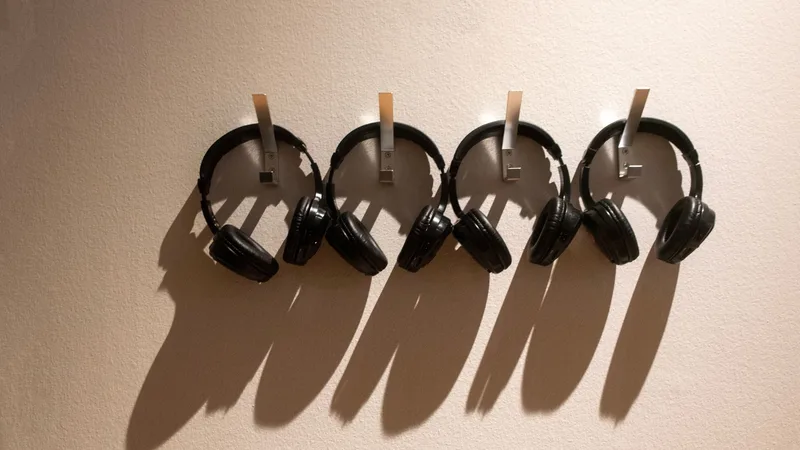
In the realm of theatre, sound design serves as a powerful tool that enhances narratives, shaping the audience's emotional journey. As we delve into the intricate layers of soundscapes, we uncover…
The Foundations of Sound Design in Theatre
Sound design is a crucial element in the world of theatre, serving as both a narrative tool and an emotional guide. The way sound interacts with the audience can elevate a performance, adding layers of meaning and atmosphere that words alone cannot convey. From the rustle of leaves to the distant hum of a city, the auditory experience shapes how we perceive and engage with the story unfolding on stage. Understanding sound's role in storytelling allows us to appreciate its power in creating immersive environments that captivate the audience's imagination
Understanding Sound's Role
In theatre, sound is not merely an accessory; it is an integral component of storytelling that enhances the overall experience. It influences the audience's emotional response, guiding their reactions and immersing them deeper into the narrative. Think of how a sudden silence can heighten tension or how a gentle melody can evoke nostalgia. These soundscapes are carefully crafted to ensure that every note and whisper resonates with the audience, making them feel part of the world depicted on stage. By exploring sound's multifaceted role, we can better understand its profound impact on the theatrical experience.
Historical Context
The evolution of sound design in theatre reflects broader technological advancements and artistic movements throughout history. Early productions relied on live musicians and basic sound effects, often limited by the capabilities of the performers and the venue. Over time, innovations such as recorded sound and sophisticated sound systems have transformed the landscape, enabling designers to create intricate auditory worlds that enhance storytelling. This historical context not only showcases the development of sound design but also illustrates its growing importance in the modern theatrical experience, where audiences expect a rich tapestry of sound to accompany their visual journey.
Elements of Soundscapes: From Foley to Score
Soundscapes in theatre encompass a diverse range of elements, from the subtlety of Foley art to the emotional power of original scores. Each component plays a vital role in shaping the auditory landscape, contributing to the overall atmosphere and narrative depth of a production. As we delve into these elements, we can appreciate how they work together to create a cohesive and immersive experience for the audience, enhancing the storytelling in profound ways. Understanding the intricacies of soundscapes allows us to recognize the artistry involved in crafting these auditory experiences.
Foley Art in Theatre
Foley art in theatre is the creative process of reproducing everyday sounds to enhance realism and draw the audience into the narrative. This technique captures sounds that are often overlooked but are essential for creating a believable environment. Whether it's the crunch of footsteps on gravel or the clinking of glasses in a bustling café, these sounds help ground the performance in reality. By meticulously crafting and layering these auditory elements, sound designers create a rich tapestry that complements the visual action on stage, ensuring that the audience feels truly immersed in the world of the play.
Music and Composition
Original scores in theatre serve as powerful emotional undercurrents, guiding the audience's feelings and responses throughout the performance. Composers work closely with directors to create music that accentuates key moments, heightens tension, or evokes specific emotions. The synergy between music and narrative can transform a scene, making it unforgettable and poignant. As we analyze how these original scores contribute to the theatrical experience, we recognize the significant role they play in shaping our emotional connection to the story and characters on stage.
The Impact of Technology on Sound Design
In the evolving landscape of theatre, technology has become an indispensable ally in crafting immersive soundscapes that enhance the overall experience. The innovations in sound design not only allow for more intricate audio layering but also enable a level of precision that was previously unattainable. As productions increasingly embrace these advancements, the ability to manipulate sound in real time has transformed how audiences engage with the narrative, making it more dynamic and compelling. This section explores the latest technological trends and their profound impact on sound design in contemporary theatre.
Advancements in Sound Technology
Modern sound technology has revolutionized the way sound is created and experienced in theatre. Digital audio workstations, sophisticated microphones, and spatial audio systems have become standard tools for sound designers. These advancements allow for a richer auditory experience, where every whisper, footstep, and ambient noise can be meticulously crafted to evoke specific emotions. For instance, the use of binaural audio techniques can create a three-dimensional sound space, enveloping the audience in an auditory landscape that complements the visual elements of a production, making the experience more immersive and engaging.
Integration with Visual Elements
The synergy between sound and visual storytelling is more critical than ever in theatre. As productions strive for a cohesive narrative, sound designers collaborate closely with directors and visual artists to ensure that auditory elements enhance the overall aesthetic. The integration of sound with lighting and set design can heighten the emotional impact of a scene, drawing the audience deeper into the story. For example, a haunting score paired with dimming lights can create an atmosphere of suspense, while vibrant sound effects can accentuate the energy of a lively scene, demonstrating how sound and visuals together create a more powerful theatrical experience.
Case Studies: Successful Sound Design in Notable Productions
Examining successful case studies in sound design reveals the crucial role that audio plays in storytelling. Productions that have effectively integrated sound design into their narratives often leave a lasting impact on audiences, enhancing their emotional connection to the performance. By analyzing these notable examples, we can gain insight into the creative processes that drive innovative sound design. This section highlights productions where sound has not only complemented but elevated the narrative, showcasing the artistry behind the auditory experience in theatre.
Examining Acclaimed Productions
Several acclaimed productions have exemplified the power of sound design in enhancing narrative depth. For instance, the use of sound in "The Curious Incident of the Dog in the Night-Time" not only supports the storyline but also immerses the audience in the protagonist's perspective. The clever layering of sound effects and music creates a palpable tension that resonates throughout the performance. Similarly, "Hamilton" employs a dynamic soundscape that weaves together hip-hop and traditional musical elements, allowing for an innovative storytelling approach that captivates a diverse audience, illustrating how sound can shape and elevate the theatrical experience.
Interviews with Sound Designers
Insights from sound designers reveal the intricacies of their creative processes and the challenges they face in bringing a production to life. In interviews, professionals often discuss the collaborative nature of their work, emphasizing the importance of communication with directors and other designers. They share stories about experimenting with unconventional sound sources or utilizing advanced technology to achieve a specific effect. These discussions not only highlight the technical skills required but also the artistic vision that drives sound design, offering a glimpse into the passion and dedication that fuels this essential aspect of theatre.
Practical Applications: Crafting Your Own Sound Design
Sound design is an essential yet often underappreciated component of theatre production. For aspiring sound designers, understanding the tools available and how to effectively integrate sound into performances is crucial. Whether you are working in a proscenium stage or an intimate black box, the right sound can enhance the storytelling and emotional impact of a play. This section will guide you through essential software and equipment, along with practical tips for creating immersive auditory experiences that resonate with your audience.
Tools and Resources for Aspiring Designers
To begin your journey in sound design, you'll need a selection of reliable software and equipment. Popular Digital Audio Workstations (DAWs) like Ableton Live, Logic Pro, and Pro Tools are excellent starting points for creating and editing soundscapes. Additionally, investing in quality microphones, audio interfaces, and studio monitors will help ensure your sound capture and playback are top-notch. Online resources, such as tutorials on sound mixing and design principles, can also provide invaluable knowledge, allowing you to hone your craft and develop a unique auditory style that stands out.
Tips for Effective Sound Integration
When merging sound with performance, it is crucial to consider how audio elements complement the visual aspects of the production. Start by understanding the narrative and emotional arcs of the play, selecting sound cues that enhance these moments rather than distract from them. Timing is key; ensure sound transitions are seamless and synchronous with the actors’ movements and dialogues. Collaborating closely with the director and other designers will also foster a cohesive atmosphere, allowing sound to serve as an integral part of the storytelling process that captivates the audience.
The Future of Sound Design in Theatre
The landscape of sound design in theatre is constantly evolving, influenced by technological advancements and changing audience expectations. As we move further into the 21st century, immersive experiences are becoming more prevalent, with sound playing a pivotal role in drawing audiences into the world of the performance. Innovations in audio technology, such as spatial sound and augmented reality, are expanding the creative possibilities for sound designers. This section explores the emerging trends and how they might shape the future of sound in theatrical productions, paving the way for new storytelling methods.
Emerging Trends and Innovations
In recent years, we have witnessed a surge in the use of spatial audio and immersive sound installations within theatre settings. Techniques such as binaural recording and surround sound are allowing designers to craft experiences that envelop the audience, making them feel as if they are part of the action. Furthermore, the integration of technology with traditional sound design practices is opening new avenues for creativity. As these innovations continue to evolve, sound design will likely become even more essential in crafting unforgettable theatrical experiences that resonate with viewers long after the final bow.
Audience Engagement and Immersion
As sound design pushes the boundaries of traditional theatre, audience engagement becomes increasingly paramount. The use of interactive sound elements can transform passive viewers into active participants, fostering a deeper connection with the narrative. By incorporating real-time sound adjustments based on audience reactions or utilizing mobile apps for personalized sound experiences, productions can create a more immersive atmosphere. Ultimately, sound design has the potential to redefine how audiences interact with theatre, making each performance a unique and memorable event that lingers in their minds.