Illuminating the Stage: The Art of Lighting Design
Oliver Hayes ·
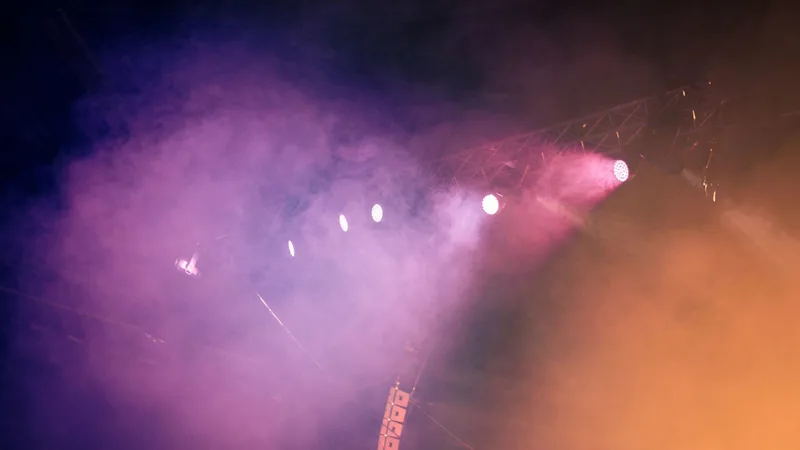
Lighting design is often the unsung hero of theatrical storytelling, shaping not only the visual aesthetic but also the emotional landscape of a production. In 2026, as theatre continues to evolve,…
The Fundamentals of Lighting Design
Lighting design is a fundamental aspect of theatre that can profoundly influence the audience's experience. It involves a deep understanding of various light sources, their characteristics, and how they interact with other elements of a production. From the warm glow of a soft spotlight to the harsh glare of an overhead fixture, each light type serves a distinct purpose. By mastering the fundamentals of lighting design, designers can create the desired atmosphere and enhance storytelling on stage, making every moment impactful
Understanding Light Sources
Different types of lighting equipment play pivotal roles in shaping a performance's visual narrative. For instance, incandescent lights offer a warm tone, perfect for intimate scenes, while LED fixtures provide versatility and energy efficiency. The choice of light source impacts not only the ambiance but also the actors' performances and the audience's emotional response. Understanding the unique attributes of each lighting type allows designers to make informed decisions, ensuring that the lighting complements the overall artistic vision of the production, enriching the experience.
Color and Texture in Lighting
Color choices in lighting design are crucial for establishing mood and influencing perception. A scene illuminated with cool blues can evoke feelings of calm or sadness, while vibrant reds and yellows can stimulate excitement or tension. Additionally, textures created through lighting can add complexity, drawing attention to specific elements on stage. By thoughtfully combining color and texture, lighting designers can craft visually stunning moments that resonate with the audience, enhancing the storytelling experience and adding layers to the performance, making each scene unforgettable.
Lighting Techniques for Atmosphere
The atmosphere of a theatrical production is significantly shaped by the techniques employed in lighting design. From the subtle use of shadows to the application of gels and filters, each method contributes to the overall tone and emotional depth of a scene. Lighting techniques can guide the audience's focus, highlight key moments, and create a sense of space that transcends the physical limitations of the stage. A well-executed lighting design not only beautifies the performance but also enriches the narrative, allowing for a more immersive experience that captivates audiences.
Creating Depth with Shadows
Shadows can be powerful tools in lighting design, used to create depth and enhance emotional resonance. By manipulating light angles and intensity, designers can cast shadows that evoke a sense of mystery or tension, drawing the audience into the characters' inner worlds. For example, a scene set in a dimly lit room may utilize shadows to reflect a character's turmoil, making their emotional struggle palpable. This technique invites the audience to engage more deeply with the story, transforming simple moments into profound experiences, leaving a lasting impression.
The Role of Gels and Filters
Gels and filters are essential components in a lighting designer's toolkit, allowing for the manipulation of color and tone. By placing these materials over light sources, designers can achieve a wide range of effects, from soft pastels to bold, saturated hues. This alteration of light not only sets the scene's mood but can also signify shifts in time or place within the narrative. The thoughtful application of gels and filters can elevate a production, creating a distinct atmosphere that enhances the storytelling and captivates the audience's imagination, making every moment more impactful.
Innovations in Lighting Technology
As the world of theatre continues to evolve, so too does the technology that illuminates the stage. Innovations in lighting design have dramatically transformed the way stories are told, enhancing the emotional depth and visual impact of productions. The adoption of advanced lighting technologies, particularly in recent years, has allowed designers to create dynamic environments that resonate with audiences on multiple levels. This section explores key advancements in lighting technology that have redefined theatrical presentation, pushing the boundaries of creativity.
LEDs and Their Impact
LED technology has emerged as a game-changer in modern theatre, providing numerous advantages over traditional lighting sources. One of the most significant benefits is energy efficiency; LEDs consume considerably less power, allowing theatres to reduce their operational costs while also minimizing their environmental footprint. Additionally, the versatility of LEDs enables designers to experiment with a broader color palette, creating vibrant atmospheres that enhance storytelling. The longevity of LED fixtures also means less frequent replacements, which directly translates to savings in both time and resources for production teams, facilitating smoother operations.
Smart Lighting Systems
Automation and smart technology have begun to revolutionize lighting design, offering unprecedented control and flexibility for designers. Smart lighting systems allow for intricate programming, enabling changes in intensity and color to be executed seamlessly throughout a performance. This level of automation not only enhances the visual storytelling but also allows for real-time adjustments based on the performers' movements or audience reactions. As theatres embrace these innovations, the possibilities for creativity in lighting design continue to expand, pushing the boundaries of what can be achieved on stage and creating unforgettable experiences.
Case Studies: Successful Lighting Design in Productions
Examining successful lighting design in various productions offers valuable insights into the artistry and technical expertise that drives effective stage illumination. Each case study highlights how specific lighting choices can elevate a performance, drawing audiences deeper into the narrative. By analyzing notable examples, we can better understand the impact of lighting on mood, character development, and overall production quality. This section will delve into key productions that have achieved remarkable success through innovative lighting design, showcasing the power of light.
Highlighting Key Productions
Several recent theatre productions have showcased exceptional lighting design, each contributing uniquely to the overall experience. For instance, the use of shadow and color in the revival of a classic play created an atmospheric depth that transported audiences to a different time and place. In another production, the integration of moving lights synchronized with the actors' performances added a layer of dynamism, capturing the audience's attention throughout the show. These examples illustrate how thoughtful lighting choices can enhance storytelling and engage viewers on an emotional level, making each performance memorable.
Lessons from Iconic Designers
Renowned lighting designers have left an indelible mark on the theatre landscape, offering insights that can inspire contemporary practitioners. Their approaches often blend artistic vision with technical skill, resulting in unforgettable stage moments. For example, one iconic designer emphasizes the importance of collaboration with directors and set designers to ensure a cohesive vision. By analyzing their methodologies and philosophies, emerging designers can learn valuable lessons about the interplay between light and storytelling, ultimately enriching their own creative processes and enhancing their work.
Practical Tips for Aspiring Lighting Designers
Lighting design is a nuanced art that demands both technical skill and creativity. For aspiring lighting designers, understanding the importance of collaboration and the value of experimentation can significantly enhance their craft. By working closely with directors and fellow designers, one can create a cohesive visual narrative that complements the story being told on stage. Embracing these principles can lead to innovative designs that resonate with audiences and elevate the overall production, making a lasting impact.
Collaboration with Directors and Designers
Teaming up with directors and other designers is crucial for a successful lighting design process. This collaboration fosters open communication and ensures that everyone’s creative vision aligns. When lighting designers engage in discussions about the tone, mood, and pacing of a production, they can tailor their designs to enhance those elements effectively. By sharing ideas and feedback, the entire team can work toward a unified aesthetic that captivates the audience and brings the story to life, creating a powerful theatrical experience.
Experimentation and Creativity
Encouraging innovation and risk-taking is vital in the world of lighting design. Aspiring designers should feel empowered to explore new techniques and technologies, pushing the boundaries of what is possible. This experimentation can lead to unexpected and striking visual effects that enhance a production’s emotional impact. By embracing creativity and being willing to take chances, designers can develop a unique style that sets them apart, ultimately contributing to the evolution of theatrical lighting and enriching the art form.
Conclusion: The Future of Lighting in Theatre
The landscape of lighting design in theatre is ever-evolving, shaped by technological advancements and changing artistic trends. As we look to the future, it is essential for lighting designers to remain adaptable and open to new ideas. Emerging trends, such as the integration of digital media and interactive elements, will influence how stories are told on stage. Embracing these changes not only enhances the visual experience but also enriches the narrative, ensuring that lighting continues to play a pivotal role in theatre and its ongoing transformation.
Embracing Change and Trends
As new technologies and artistic movements emerge, lighting designers must stay informed and adaptable. The incorporation of LED technology and digital projections offers exciting possibilities for creating immersive environments. Additionally, the rise of sustainable practices in theatre production encourages designers to consider eco-friendly lighting solutions. By embracing these changes, lighting designers can contribute to a more innovative and responsible theatrical landscape, ensuring that their work resonates with contemporary audiences and reflects modern values.
The Everlasting Impact of Lighting on Storytelling
Lighting has always been a fundamental aspect of storytelling in theatre, shaping the audience's emotional response and enhancing narrative depth. Its ability to create atmosphere, highlight characters, and establish time and place is unparalleled. As we reflect on the lasting significance of lighting, it's clear that its impact extends far beyond mere aesthetics. The thoughtful application of light continues to be a driving force in the evolution of theatre, reminding us of the powerful connections between light and storytelling, which will endure for generations to come.