The Role of Audience Dynamics in Live Theatre
Oliver Hayes ·
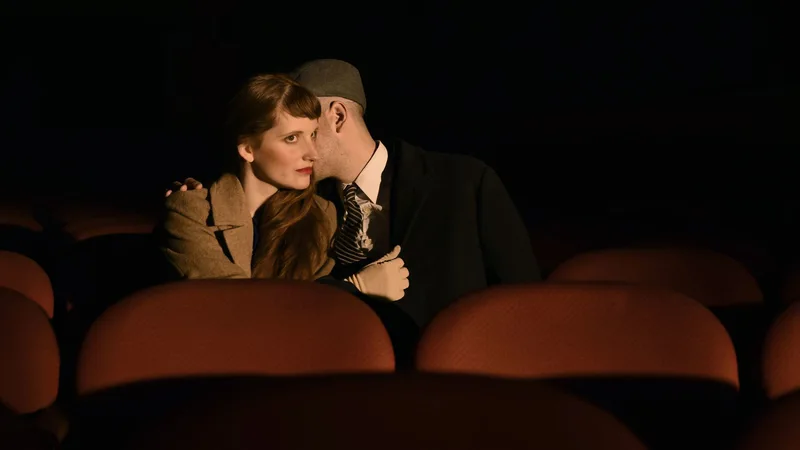
The dynamics between an audience and a live performance are as complex as they are captivating. In theatre, this intricate relationship shapes not only the atmosphere but also the very fabric of the…
The Audience as Co-Creator of Performance
The dynamic relationship between the audience and performers is a fundamental aspect of live theatre. Each show unfolds uniquely, shaped by the energy and reactions of those in attendance. When the audience actively engages with the performance, whether through laughter, gasps, or even silence, they become co-creators of the experience. This interaction not only enhances the depth of the performance but also allows for spontaneous moments that can never be replicated, leaving a lasting impression
Engagement Levels: The Spectrum of Audience Participation
The varying degrees of audience involvement can significantly impact the trajectory of a performance. From the hushed whispers during a tense scene to the boisterous laughter that fills the space, each reaction influences how actors deliver their lines and embody their characters. A show in a proscenium theatre, for instance, can feel like an intimate conversation when the audience is fully engaged, creating an electric atmosphere that invigorates the actors on stage. Conversely, a disengaged audience can lead to a more subdued performance, emphasizing the critical role that participation plays in shaping the overall experience.
Emotional Resonance: Shared Experiences in Real-Time
Collective emotions shared among audience members during a performance contribute to an immersive experience that transcends the boundaries of the stage. In moments of joy or sorrow, this emotional resonance creates a palpable connection that can affect the pacing and delivery of the show. When the audience collectively gasps or sighs, it shapes the performers’ responses, allowing them to adapt and heighten the emotional stakes. This real-time interaction fosters a sense of community, reminding us that theatre is not merely a spectacle to observe but a shared journey to experience together, enriching the connection between all present.
Audience Feedback: Immediate and Lasting Effects
Audience feedback plays a crucial role in shaping the live theatre experience, both during and after a performance. The immediate reactions of applause or silence can create an atmosphere that influences the performers' choices on stage. This feedback loop not only affects the current show but also sets the stage for future performances, making the audience an integral part of the creative process. Understanding these dynamics helps in appreciating how theatre evolves and adapts based on audience interaction, creating a more responsive art form.
The Power of Applause and Silence
The sounds of applause can be a powerful motivator for performers, often leading to heightened energy and enthusiasm on stage. A well-timed round of applause can prompt actors to deliver their lines with greater intensity, pushing the narrative forward. Conversely, moments of silence can be equally impactful, providing a reflective pause that allows the audience to absorb the weight of a dramatic scene. This interplay between sound and silence illustrates how audience reactions not only influence the pacing but also enhance the overall emotional impact of the performance, creating a shared experience.
Post-Show Responses: The Influence on Future Performances
Post-show feedback, whether through formal reviews or informal discussions, can greatly influence subsequent iterations of a production. Audience members often share their thoughts and feelings about what resonated with them, shaping the creative team's understanding of their work. These responses can lead to adjustments in performances, from tweaking dialogue to changing staging elements, ensuring that each show evolves based on the audience's experience. This ongoing dialogue between the audience and creators reinforces the notion that theatre is a living art form, constantly adapting to the perceptions and desires of its viewers, making every performance unique.
Cultural Context: Shaping Audience Interpretation
The dynamics between a performance and its audience are heavily influenced by cultural context. The makeup of the audience—age, background, and expectations—shapes how they interpret what they see on stage. Different demographics may resonate with various themes, performances, and even acting styles. Understanding these nuances is essential for both the creators and the performers, as it allows them to tailor their work to foster a deeper connection with viewers, enriching the theatrical experience.
Demographic Influences: Age, Background, and Expectations
When observing an audience, it's fascinating to note how varying age groups perceive the same performance through distinct lenses. For instance, younger audiences might gravitate towards modern interpretations and innovative staging, while older patrons may appreciate traditional narratives and the craftsmanship of the performance. Background also plays a significant role; individuals from diverse cultural and socioeconomic backgrounds often bring different expectations and experiences that color their interpretation of the play. This multifaceted interaction can lead to rich discussions and varied responses during post-show dialogues, demonstrating that the audience's demographic makeup is a vital aspect of live theatre, influencing the overall experience.
Cultural Nuances: The Impact of Local Traditions
Regional culture can significantly influence audience reactions and engagement during a performance. In areas where certain traditions are deeply rooted, local audiences may have a more profound understanding of specific themes or cultural references embedded in the play. For example, a production staged in a casino room known for its lively atmosphere might elicit a different response from a crowd familiar with the local culture compared to a more subdued setting. These cultural nuances enrich the audience's experience and often lead to unique interpretations that reflect their collective identity and values, making each performance a one-of-a-kind event that resonates deeply.
Technology and Audience Interaction
As technology continues to evolve, its impact on audience interaction in live theatre becomes increasingly apparent. Innovative tools are transforming how audiences engage with performances, allowing for a more participatory experience. From interactive apps to social media platforms, these advancements enable viewers to connect with the production and each other in real time, creating a more immersive environment. As a result, the traditional boundaries between performer and audience are blurred, enhancing the overall theatrical experience.
Innovative Tools: Enhancing Audience Participation
With the rise of mobile technology, innovative tools have emerged that enhance audience participation and engagement during performances. For instance, apps that allow viewers to vote on certain aspects of the show or provide feedback in real time create a dynamic interaction that was once unimaginable. This level of participation not only enriches the experience for the audience but also offers performers immediate insights into audience reactions. Such innovations invite audience members to become active participants rather than passive observers, fostering a sense of community and shared experience within the theatre that elevates the art form.
Virtual Experiences: Blurring the Lines Between Performer and Audience
The advent of live streaming and virtual reality has begun to blur the lines between performer and audience, creating new dynamics in how theatre is experienced. By allowing individuals to engage with performances from the comfort of their homes, these technologies expand access to theatre, reaching diverse audiences who may not typically attend live shows. However, this shift also raises questions about the essence of live performance and the unique energy exchanged between actors and their audience. As these virtual experiences become more prevalent, the challenge lies in maintaining that intimate connection that is so vital to the spirit of live theatre, ensuring that the magic of performance endures.
Case Studies: Notable Examples of Audience Dynamics
The relationship between performers and their audiences is an intricate dance that can transform a theatre experience. This section explores notable case studies that highlight the dynamic interplay between audience involvement and theatrical presentations. By examining productions that encourage participation and improvisation, we gain insight into how these interactions shape the overall experience and impact the effectiveness of the narrative being told on stage. The case studies presented here illustrate the powerful connection that can be forged in live theatre settings, showcasing the potential for profound engagement.
Interactive Theatre: Breaking the Fourth Wall
Interactive theatre has gained traction in recent years, inviting audiences to step beyond the traditional boundaries of passive viewing. Productions like "Sleep No More" and "The Donkey Show" immerse spectators in the action, allowing them to roam freely and engage with performers. This breaking of the fourth wall not only enhances the experience but also fosters a sense of unity among audience members, as they collectively navigate the story. The resulting effects can be profound, often leaving participants with a deeper emotional connection to the narrative and a lasting impression long after the final curtain falls, making the experience unforgettable.
The Role of Improvisation in Audience Engagement
Improvisation plays a crucial role in establishing unique connections between performers and spectators. In productions such as "The Second City" and "Whose Line Is It Anyway?", unscripted moments arise from audience suggestions, allowing for spontaneous humor and unexpected twists. These improvised interactions not only entertain but also create a shared experience that draws the audience into the performance. The unpredictability of these moments often leads to laughter and engagement, reinforcing the idea that theatre is a collaborative art form fueled by the energy of both actors and spectators, creating a vibrant atmosphere.
Future Trends: The Evolving Role of the Audience
The landscape of live theatre is continually evolving, and audience dynamics are at the forefront of this transformation. As we look to the future, it is essential to understand how shifting expectations are influencing the way stories are told and experienced. This section delves into the emerging trends that are reshaping audience engagement, from the expectations of active participation to the impact of contemporary social movements on performance art. These trends highlight the growing importance of audience involvement in creating meaningful theatrical experiences that resonate.
Shifts in Audience Expectations: From Passive to Active
In recent years, audiences have increasingly shifted from passive observers to active participants in the theatrical experience. This change is evident in the rise of immersive performances that encourage direct audience interaction. The expectation for greater involvement has prompted theatre makers to explore innovative formats that engage spectators in the storytelling process. As a result, productions are evolving to meet these demands, creating more dynamic and inclusive environments where audience members feel empowered to contribute to the narrative unfolding before them, enriching the overall theatrical landscape.
The Impact of Social Movements on Performance Art
Contemporary social movements have significantly influenced theatre production and audience engagement, prompting artists to address pressing issues through their work. Productions that tackle themes of social justice, inclusivity, and environmental awareness resonate deeply with audiences, fostering a sense of community and shared purpose. The intersection of art and activism has led to more socially conscious performances that challenge traditional narratives and encourage dialogue among spectators. This trend underscores the vital role that theatre can play in reflecting and shaping societal change, making the audience an integral part of the conversation and the evolution of the art form.