Threads of Character: The Importance of Costume Design
Oliver Hayes ·
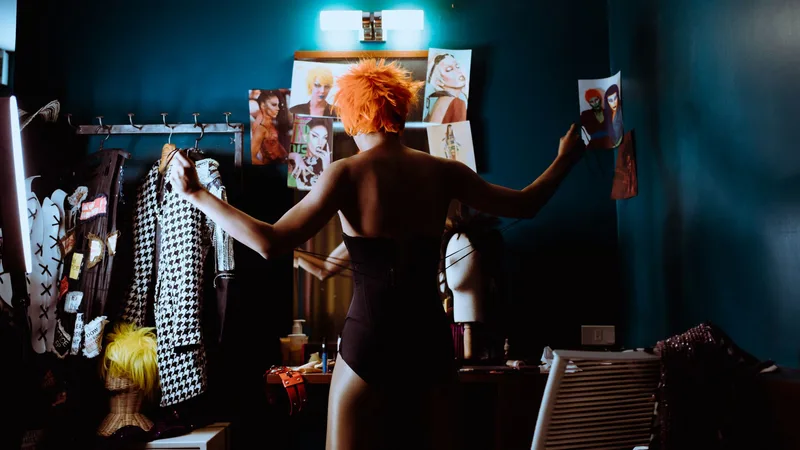
Costume design is often viewed as a secondary element of theatre, overshadowed by the script and performances. However, it plays a crucial role in bringing characters to life and enhancing the…
The Historical Context of Costume Design in Theatre
Costume design has played a pivotal role in theatre throughout its long history, evolving alongside changing artistic movements and societal norms. From the elaborate garments of the Elizabethan era to the minimalist styles of modern productions, costumes have not only served aesthetic purposes but also communicated essential narratives. Understanding this evolution provides valuable insight into how costume design reflects the cultural and historical context of its time. As we delve into the rich tapestry of theatre history, we can appreciate the craftsmanship and creativity that has shaped costume design into a fundamental aspect of theatrical storytelling, revealing its significance across different eras
Evolution of Costume Design
The journey of costume design in theatre can be traced back to ancient civilizations, where costumes were often dictated by the roles of gods and heroes in performances. Over centuries, these designs have transformed dramatically, influenced by technology, fashion, and cultural shifts. The Renaissance marked a significant turning point, with costumes becoming more intricate and reflective of the status and personality of characters. Today, costume designers continue to innovate, drawing from a diverse array of sources while pushing the boundaries of how costumes can enhance and elevate theatrical productions, showcasing the endless possibilities of this art form.
Cultural Influences on Costumes
Costume choices in theatre are deeply intertwined with cultural heritage, often serving as visual narratives that reflect societal values and traditions. Different cultures have uniquely influenced the aesthetics of costume design, from the vibrant textiles of African theatre to the ornate garments seen in traditional Japanese Noh plays. These elements not only enhance the authenticity of a production but also educate audiences about diverse cultural backgrounds. By examining the cultural influences on costume design, we uncover layers of meaning that enrich the theatrical experience and connect audiences to the stories being told, making each performance a cultural celebration.
Costumes as Extensions of Character
Costumes do more than simply adorn actors; they serve as extensions of character, providing insights into personality, social status, and emotional state. A well-crafted costume can immediately convey traits that might take pages of dialogue to express. This visual representation plays a crucial role in storytelling, allowing audiences to form connections with characters on a deeper level. As we explore how costumes function as extensions of character, we will discover the profound impact of design choices on audience perception and engagement, ultimately shaping the narrative's emotional landscape.
Visual Representation of Traits
The relationship between costume design and character traits is both intricate and impactful. Designers meticulously select colors, fabrics, and styles to reflect a character's personality, often using visual cues that communicate their journey. For example, a character clad in muted tones may suggest introversion or sadness, while vibrant colors can indicate confidence or exuberance. Such careful consideration in costume design allows audiences to intuitively grasp character dynamics, enriching their understanding of the narrative and enhancing the overall theatrical experience, creating a more immersive environment.
Symbolism in Costume Elements
Costume elements are often imbued with symbolism, offering audiences a deeper understanding of the characters and themes within a production. Specific details, such as the choice of accessories or the cut of a garment, can carry significant meaning, reflecting a character's inner conflicts or societal roles. For instance, a tattered cloak may symbolize a character's fall from grace, while intricate jewelry might represent wealth or power. By analyzing these symbolic elements, we can appreciate the layered storytelling that costume design contributes to theatre, revealing insights that resonate beyond the surface of the performance, inviting deeper reflection.
Collaboration Between Designers and Directors
The synergy between costume designers and directors is crucial in shaping a production's overall vision. This collaborative relationship goes beyond mere aesthetics; it encompasses the essence of storytelling. By working closely together, designers can ensure that the costumes not only reflect the characters’ personalities but also align with the director's interpretation of the script. This dynamic partnership often results in a cohesive theatrical experience that resonates with audiences on multiple levels, enhancing both the narrative and the visual appeal.
Creative Processes in Costume Design
In the realm of costume design, the creative process is deeply collaborative, often beginning with discussions about the themes and emotional tones of the play. Designers typically engage with directors early in the production timeline, sharing ideas and sketches that reflect their artistic visions. This iterative process allows for feedback and refinement, ensuring that each costume not only serves its functional role but also enhances the narrative. The exchange of ideas can lead to innovative solutions that might not have emerged in isolation, ultimately enriching the production through a shared creative vision.
Case Studies of Successful Collaborations
One notable example of successful collaboration is seen in the production of "The Crucible," where the costume design played a pivotal role in evoking the oppressive atmosphere of Salem. The director and designer worked hand-in-hand, selecting fabrics that conveyed both period authenticity and emotional weight. The use of muted colors and heavy textures helped to underscore the characters’ internal struggles, demonstrating how well-executed costume design can elevate storytelling. Such case studies underscore the importance of collaboration in achieving a unified artistic vision that captivates audiences.
The Practical Aspects of Costume Design
Costume design is not just an art form; it is also a practical discipline that requires careful budgeting and resource management. Financial considerations can significantly impact the choices designers make, influencing everything from fabric selection to the complexity of costumes. A well-managed budget can lead to ingenious solutions, allowing for creativity within constraints. Understanding these practical aspects is essential for designers who wish to create impactful costumes without overspending, ensuring that artistry meets feasibility.
Budgeting and Resource Management
Effective budgeting in costume design involves prioritizing expenses and making strategic decisions about where to allocate resources. Designers often face the challenge of balancing quality with cost, which can lead to creative problem-solving. For instance, a designer might choose to repurpose existing costumes or collaborate with local artisans to reduce costs while maintaining a high standard of craftsmanship. This approach not only fosters innovation but also encourages a sustainable practice in theatre that respects both artistic integrity and financial realities, paving the way for future productions.
Sourcing Materials and Techniques
The selection of materials is a critical aspect of costume creation that directly influences the visual and tactile experience of a production. Designers often seek to source fabrics that not only fit the aesthetic needs of the play but also withstand the rigors of performance. Techniques such as dyeing, distressing, and hand-sewing can add unique character to costumes, providing depth to the narrative. By emphasizing quality craftsmanship and thoughtful material selection, designers contribute significantly to the overall impact of the theatrical experience, ensuring that each piece resonates with the audience.
Audience Perception and Engagement
The intricate relationship between costume design and audience engagement is a vital aspect of theatre that often goes unnoticed. Costumes do not merely serve as clothing for actors; they are powerful tools that shape how audiences perceive characters and the narratives unfolding on stage. A well-crafted costume can evoke emotions, offer insights into a character's background, and even hint at underlying themes. Through thoughtful design, costumes can bridge the gap between the audience's understanding and the playwright's intent, making the theatrical experience more immersive and impactful, ultimately leaving a lasting impression.
Impact of Costumes on Audience Interpretation
The impact of costumes on audience interpretation is profound, as they often serve as the first visual clue to a character's personality and motivations. For instance, a character clad in tattered garments may immediately evoke feelings of sympathy or pity, while an elegantly dressed figure can signify wealth and power. This immediate visual storytelling allows audiences to form connections and interpretations before a single line of dialogue is spoken. By thoughtfully integrating color, texture, and historical context into costume design, creators can guide audience responses and deepen their emotional investment in the story, enhancing the overall theatrical experience.
The Role of Costumes in Immersive Experiences
Costumes play an essential role in creating immersive experiences that transport audiences into the world of the play. When actors wear costumes that authentically represent their characters, it enhances the believability of the performance, allowing viewers to suspend disbelief more easily. In immersive theatre, where audience members may interact with actors and the environment, costumes become even more crucial, as they help define the world and its inhabitants. The right costumes can evoke a specific time and place, drawing the audience further into the narrative and enriching their overall experience, forging a stronger connection to the story.
Future Trends in Costume Design
The future of costume design is poised for transformation, driven by innovative technologies and a growing awareness of sustainability. As the theatre industry evolves, designers are increasingly integrating new materials and techniques that enhance the visual impact and functionality of costumes. This shift not only influences aesthetic choices but also redefines the collaborative processes between designers and other creative team members. Embracing these advancements can lead to more dynamic and engaging productions that resonate with contemporary audiences, pushing the boundaries of traditional theatre.
Innovative Use of Technology
Technology is reshaping the landscape of costume design in exciting ways, from 3D printing to augmented reality. Designers are now able to create intricate, customized pieces that were previously unattainable, allowing for more creativity and imagination in character portrayal. For example, 3D printing can produce lightweight garments with complex structures, expanding the possibilities for movement and expression on stage. Additionally, augmented reality can enhance costumes by adding dynamic visual elements that engage audiences in new and unexpected ways, creating a multi-layered theatrical experience that captivates and surprises.
Sustainability in Costume Production
The growing importance of sustainability in costume production reflects a broader awareness of environmental issues within the theatre community. Designers are increasingly seeking eco-friendly materials and practices, from sourcing organic fabrics to repurposing existing costumes. This shift not only minimizes waste but also encourages a culture of creativity and innovation as designers find new ways to produce visually stunning costumes with a reduced ecological footprint. By embracing sustainable practices, the theatre industry can lead by example, demonstrating a commitment to environmental responsibility while still delivering high-quality artistic experiences that inspire and engage.